Climate AI Nordics Newsletter, April 2026
Welcome to the April edition of the Climate AI Nordics Newsletter!
Together, we connect researchers and practitioners working at the intersection of artificial intelligence and climate action, spanning mitigation, adaptation, and environmental monitoring.
If you know colleagues in academia, public agencies, or industry who share these interests, invite them to join us at climateainordics.com/join.
This month’s issue features community updates, job opportunities, and our featured member.
Community spotlight
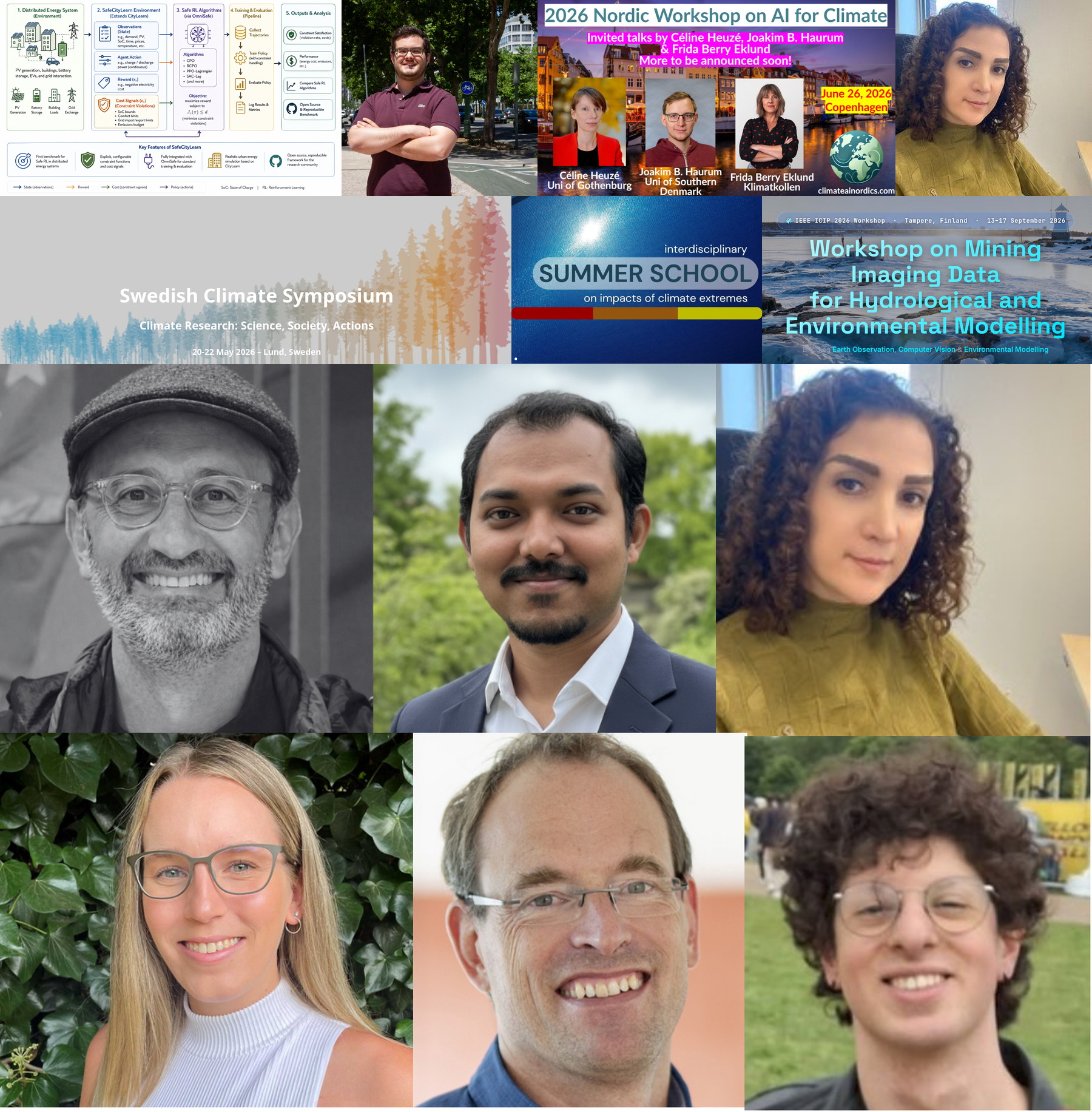
Featured project: SafeCityLearn - A benchmark for safety-constrained RL in distributed energy systems
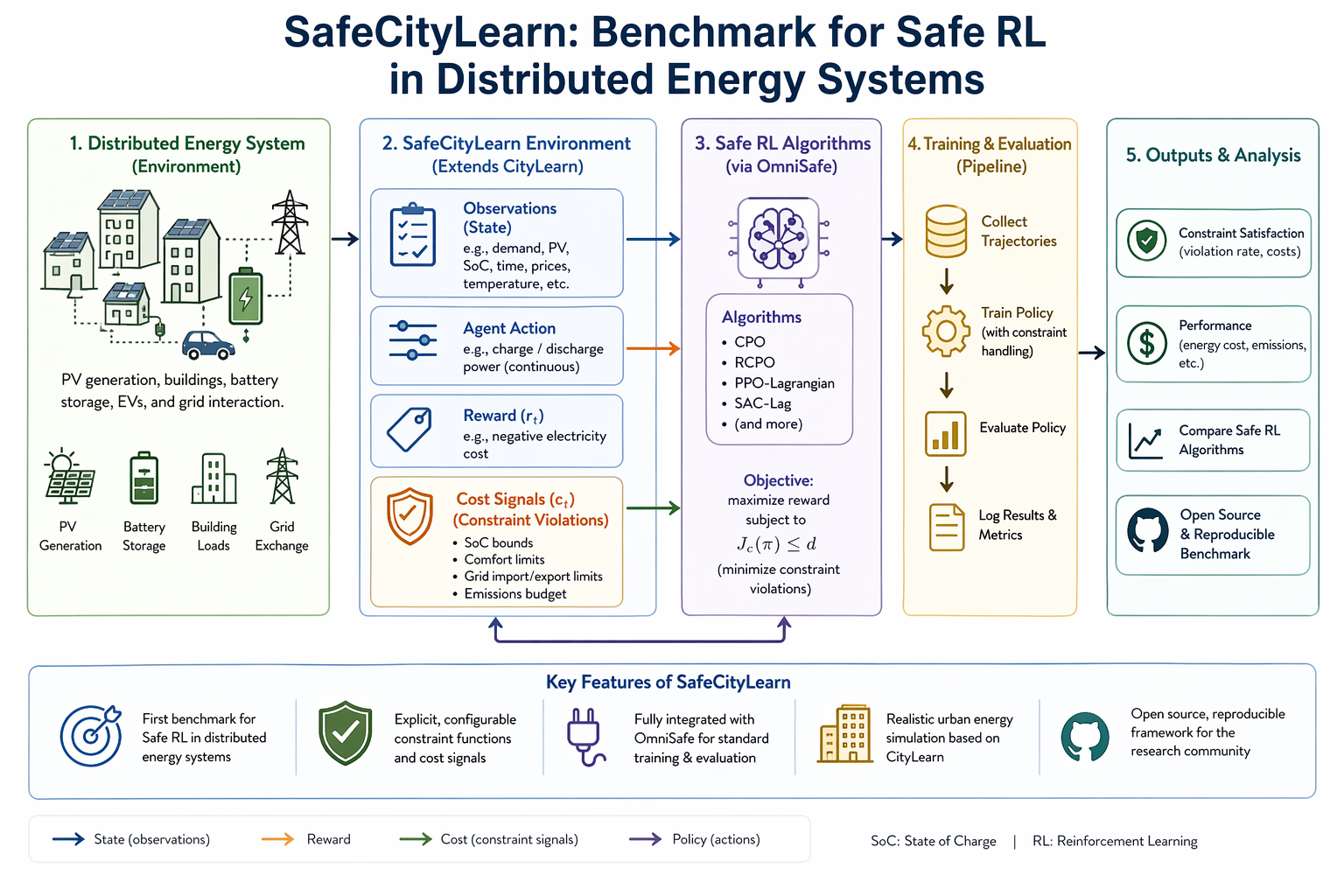
When deploying reinforcement learning-based systems for adaptive control of distributed energy systems often ignore physical limits, such as battery discharge limits, thermal comfort limits, or grid import thresholds. SafeCityLearn introduces the first benchmark to ensure reinforcement learning agents respect safety constraints while optimizing for sustainability.
Read more!
Featured member, April 2026: Miguel Nobre da Costa
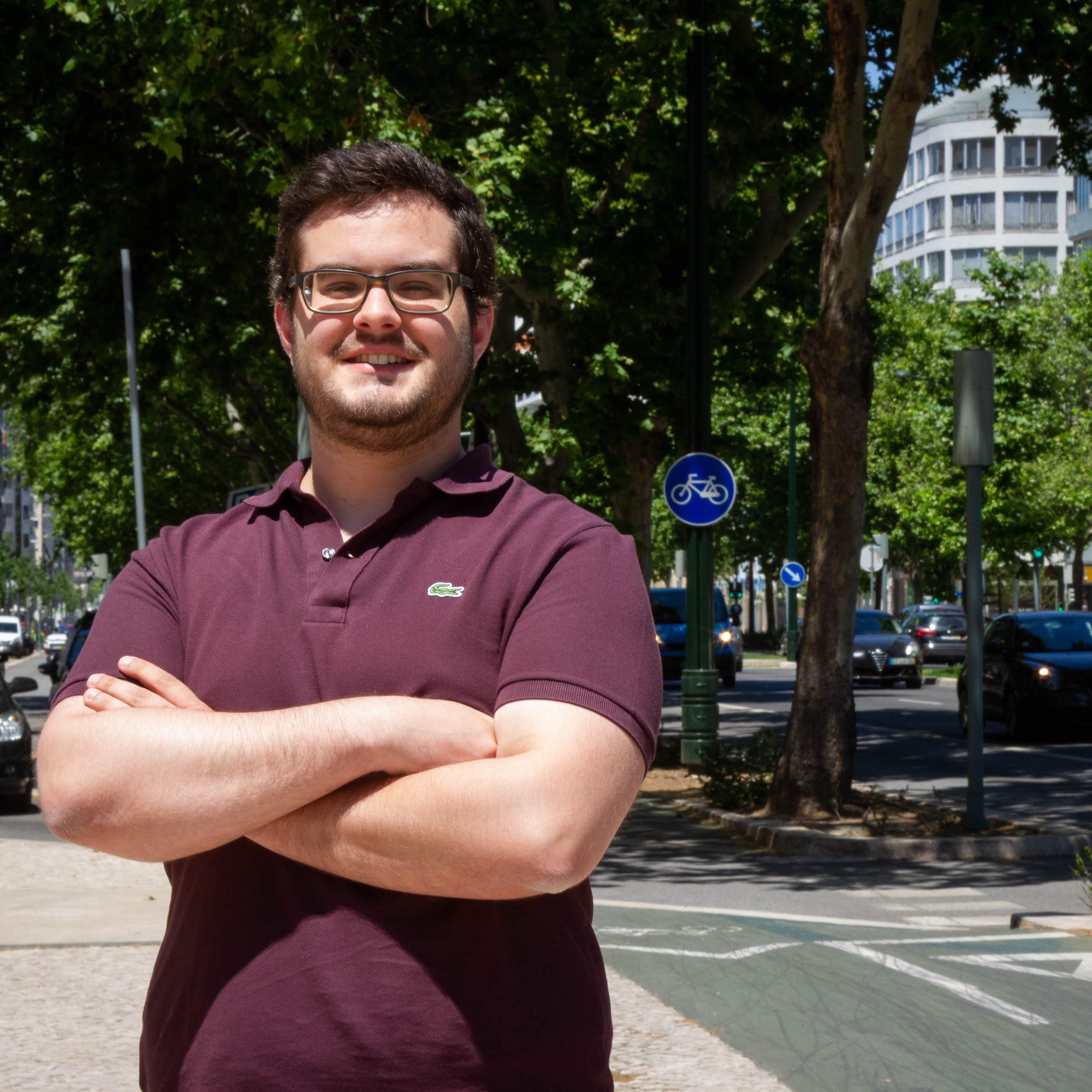
Miguel Nobre da Costa is a PostDoc at the Technical University of Denmark. His research focuses on AI-driven decision support for climate adaptation in cities and transport systems.
Read more!
News
Registration is open for the 2026 Nordic Workshop on AI for Climate
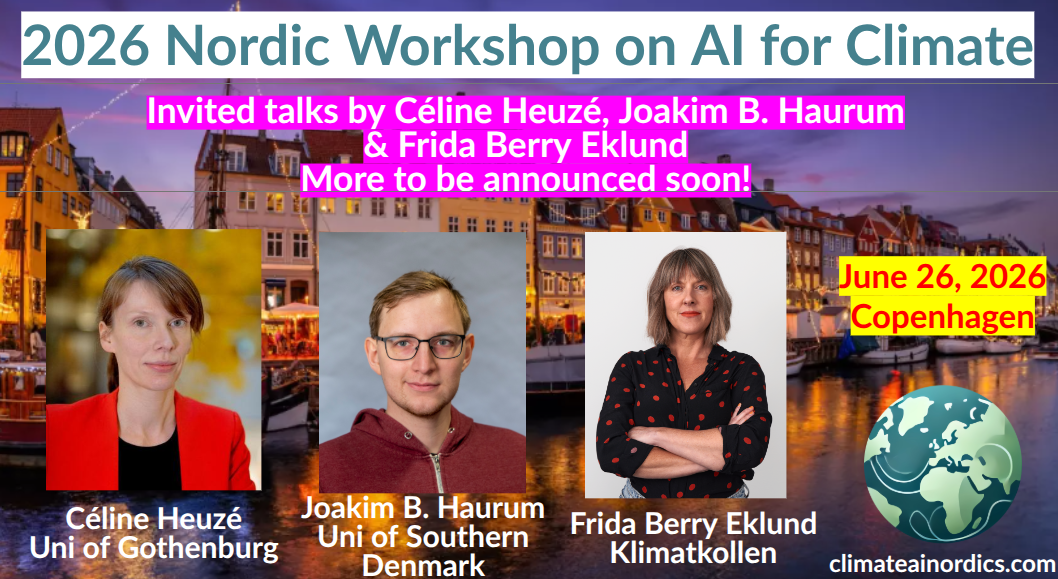
2026-04-27 Registration is open for the 2026 Nordic Workshop on AI for Climate, which will be held in Copenhagen on June 26th.
Read more!
Upcoming seminars spring/summer 2026
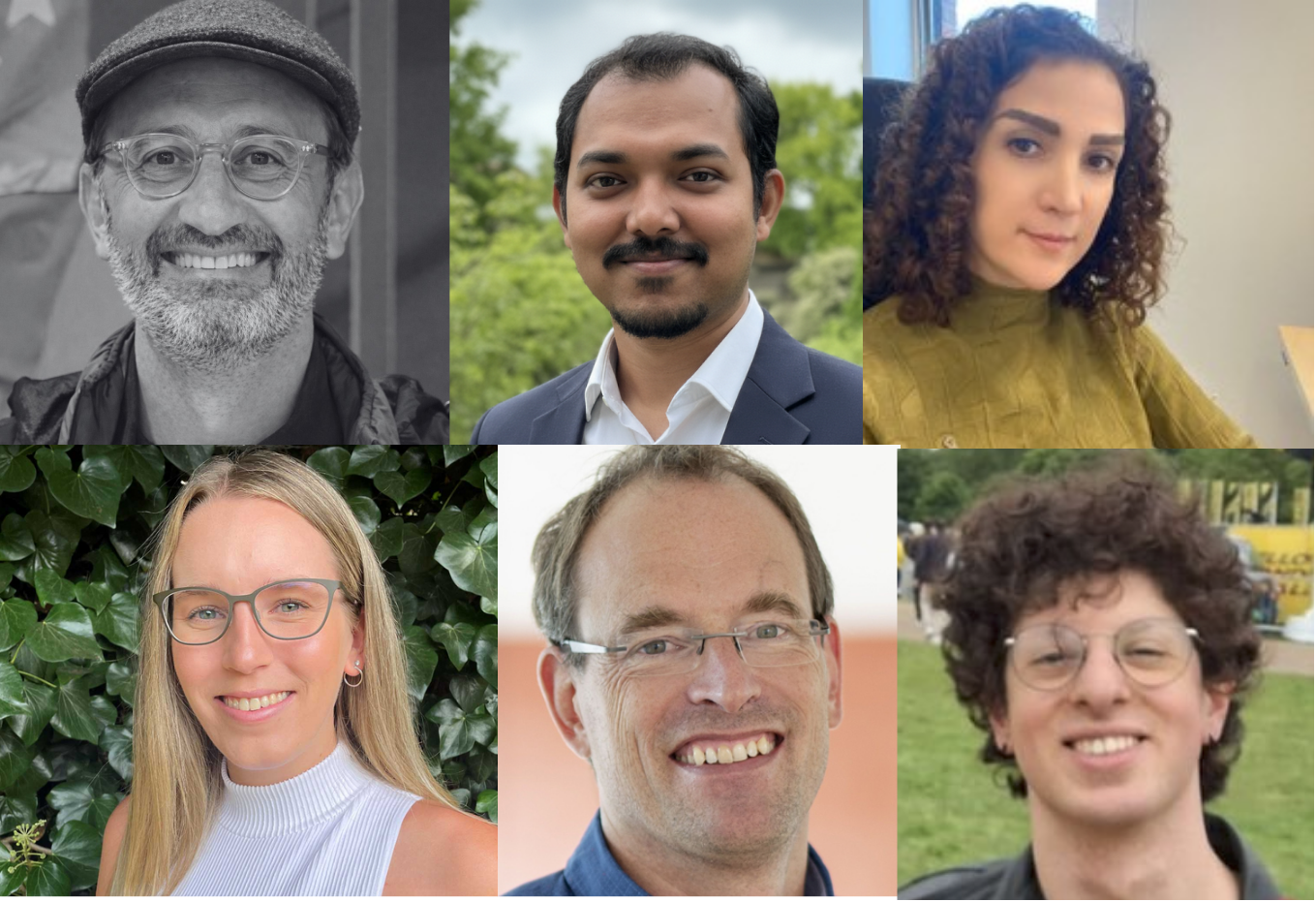
2026-04-17 The Spring/Summer 2026 Climate AI Nordics webinar series features an elite lineup of experts exploring the intersection of artificial intelligence and climate science. The program covers diverse topics ranging from satellite-based crop mapping and flood detection to the emergence of social conventions in AI populations. This effort brings together prestigious speakers from institutions like Lund, Oxford, and the Max-Planck-Institute to share cutting-edge research with a global audience. These sessions provide a vital platform for researchers and policymakers to engage in innovative solutions for navigating the world’s most pressing climate challenges.
Read more!
Coming events
Enhanced Flood Detection through Innovative integration of PolSAR, metaheuristic optimization, and deep learning-based segmentation

Event date: 2026-05-07.
Webinar with Solmaz Khazaei, KTH Royal Institute of Technology. Flood is the most common natural disaster in the world, and can have catastrophic impacts on human society and the environment, including infrastructure damage, agricultural losses, and casualties, resulting in widespread economic and social disruptions. In early studies, water body detection relied on on-the-spot investigation, hydrological models and common remote sensing techniques that face issues like slow processing and real-time delays. By addressing this challenges we propose a novel hybrid PoLSAR-metaheuristic-DL models and high-resolution remote sensing data to generate accurate and rapid flood mapping for one of the huge recent flood in France. Compared with standard synthetic aperture radars (SAR), polarimetric synthetic aperture radar (PolSAR) is an advanced technique of SAR remote sensing. So, by using polarimetric decomposition methods, features were extracted and feature selection problem, one of the most challenging, was solved by using metaheuristic techniques. The selected features fed into three deep learning-based segmentation models- U_Net_V3, Nested_UNet and Efficient_UNet. The reliability of the generated flood maps was evaluated using Accuracy, precision and recall metrics. Our experimental results indicate that Nested_UNet integrate with optimized PolSAR data achieves the highest segmentation performance, with an accuracy of 0.910, precision of 0.914, and recall of 0.909. These findings underscore the capability of Nested_UNet, demonstrates superior feature extraction abilities, making it a promising choice for real-time flood segmentation applications. Moreover, detecting the knowledge of flooded areas, officials can actively adopt steps to reduce the potential impact of flood, ensure the sustainable management of natural resources and mitigate flood impacts.
Read more!
Swedish Climate Symposium
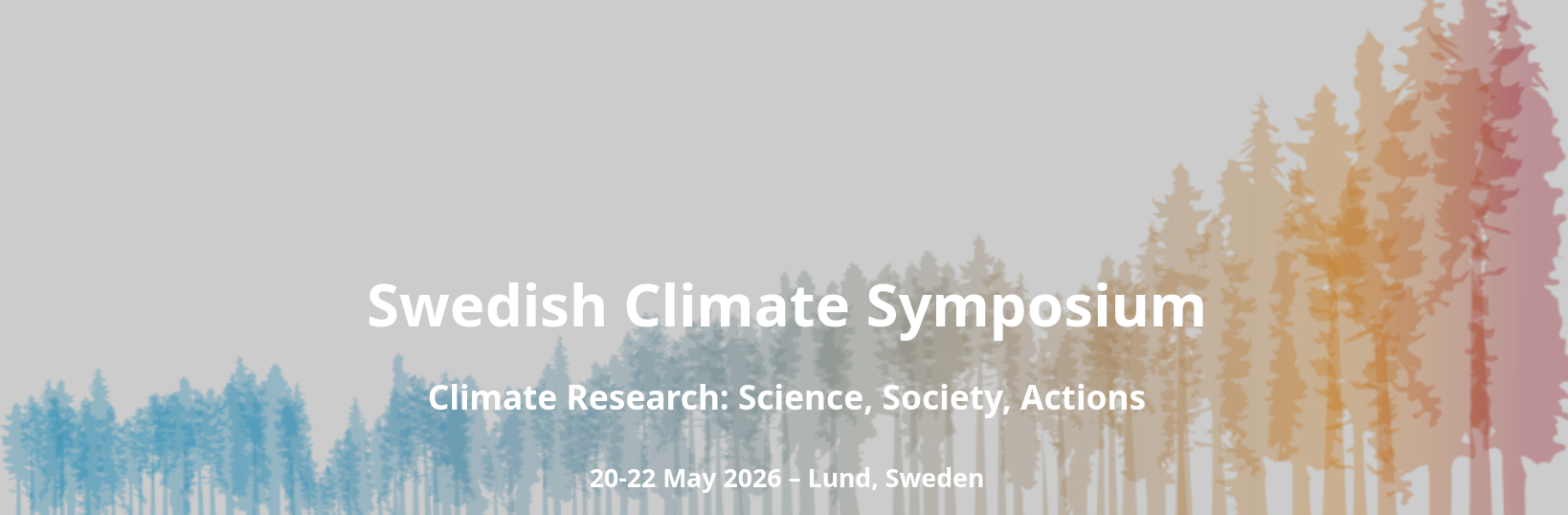
Event date: 2026-05-20.
The call for abstracts is now open for the Swedish Climate Symposium (Lund, May 20–22, 2026). The event focuses on “Science, Society, and Actions,” connecting researchers with policymakers. If you are applying AI or data science to climate challenges, don’t miss the chance to present your findings. Registration opens in January.
Read more!
Climes interdisciplinary summer school 2026
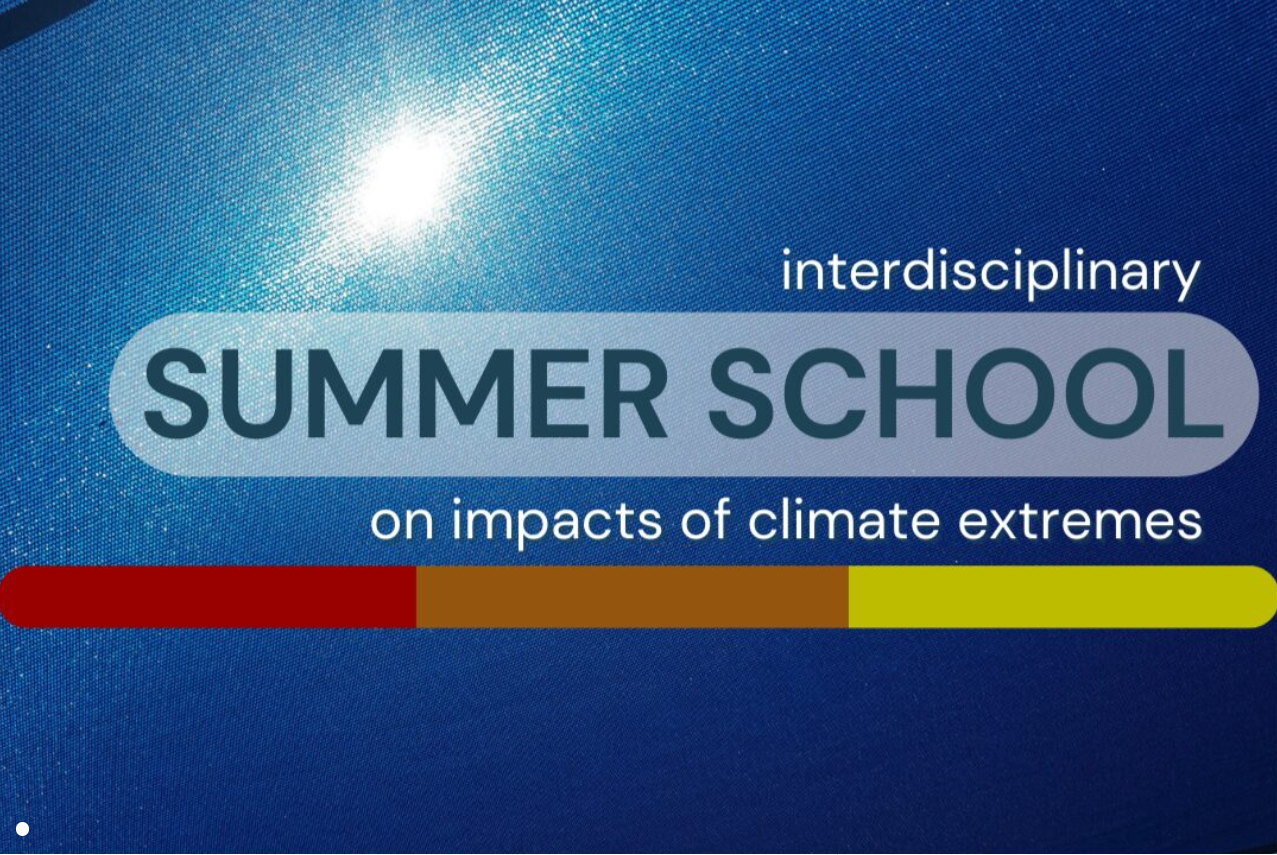
Event date: 2026-06-15.
The Climes Summer School 2026 at Uppsala University offers doctoral, postdoc, and advanced master’s students an interdisciplinary curriculum focused on climate extremes, public health, and societal impacts. The program features a specialized AI component where participants use deep learning and natural language processing to automate the extraction of climate data from texts. While the school is free to attend, applicants must submit their motivation and support letters by March 22nd, 2026, and are generally responsible for their own travel and lodging.
Read more!
HydroImaging: Mining Imaging Data for Hydrological and Environmental Modelling
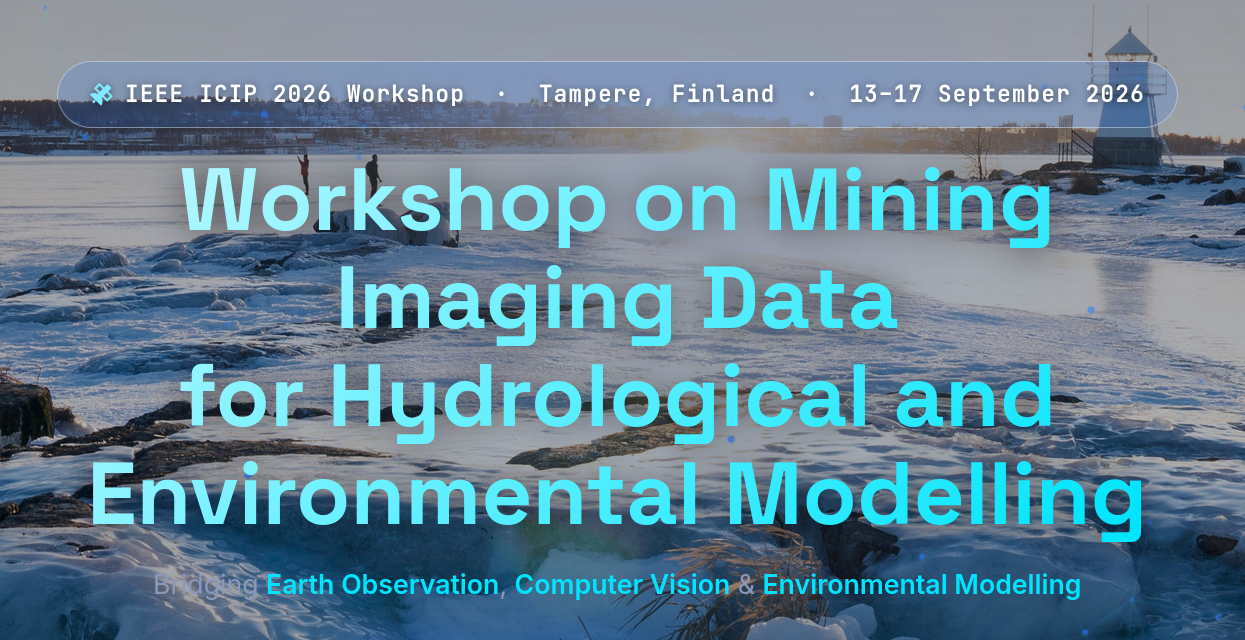
Event date: 2026-09-13.
Submit your research to HydroImaging, a half-day IEEE ICIP 2026 workshop in Tampere, Finland (September 13–17, 2026). This workshop bridges computer vision, remote sensing, and environmental science to address climate change and the water cycle. Contributions on data-centric ML, multi-modal fusion, and disaster mapping are welcome.
Read more!
Job openings
PhD Fellow in Machine Learning for Generative Emulators of the Arctic Ocean
The Nansen Environmental and Remote Sensing Center (NERSC) is offering a 3-year PhD fellowship focused on developing generative machine learning emulators to improve Arctic Ocean forecasting and investigate the reliability of data-driven climate models.
Deadline: 2026-04-30
Two PhD scholarships: Remote sensing and AI for improved forest mapping and precision forestry
The Norwegian University of Life Sciences is hiring two PhD candidates for developing machine learning models to map forest ecosystems and advance sustainable forest management.
Deadline: 2026-05-03
Postdoctoral researcher or doctoral student, machine learning and data integration
The Finnish Meteorological Institute is hiring a Postdoctoral or Doctoral Researcher for developing machine learning methods to generate high-resolution climate datasets for urban climate research.
Deadline: 2026-04-30
Doctoral position in new atmospheric satellite missions
Chalmers University of Technology is hiring a Doctoral Student for bridging instrument design and space-based environmental observations using physics and machine learning.
Deadline: 2026-05-15
Machine learning engineer for computer vision and controlled pesticide-use.
Dimensions Agri Technologies (DAT) are recruiting a machine learning engineer. The selected candidate will help reduce and optimize the use of pesticides by developing targeted schemes through machine learning model assisted computer vision.
Deadline: Rolling
Your news in the newsletter!
Make sure to share your work with us, by sending us an email ( contact@climateainordics.com), posting in our Slack or some other channel, and we’ll add it to the news feed! Take the chance of showcasing your work or your events to the community!
Also be sure to follow us on LinkedIn and BlueSky. Climate AI Nordics will have the most impact if you repost and like our stories!
Climate AI Nordics is a network of researchers working to harness AI in tackling the climate crisis through both mitigation and adaptation.
We promote the development of AI-based tools and optimization methods that support sustainable decision-making—helping reduce emissions, restore ecosystems, and build climate resilience.