
Featured member, February 2026: Paola Vesco
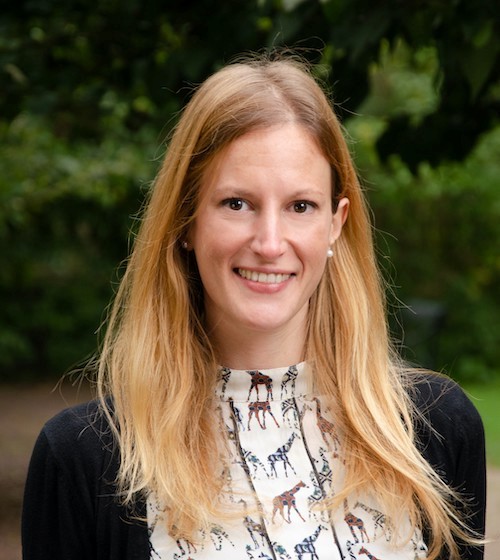
Hi Paola! Could you tell us a bit about yourself and your work?
I am currently involved in the ERC-funded POLIMPACT project, which aims to assess the role of political development (inclusion, effectiveness and accountability of institutions, prevalence of peace) in driving climate impacts, and to integrate these political drivers into future scenarios. This work responds to an important gap in the Shared Socioeconomic Pathways (SSPs), which currently lack a comprehensive treatment of political scenarios. My recent work focuses on understanding how political factors shape climate impacts and how climate and armed conflict impacts interact and mutually reinforce.
Alongside this, I have been working with AI and advanced quantitative methods to forecast armed conflicts and their societal impacts, especially to understand how violence makes societies more vulnerable to climate hazards. More broadly, I am interested in using data-driven and statistical approaches to study and forecast the complex, dynamic relationships between armed conflict, governance, and climate hazards. My ongoing research focuses on compound crises that emerge from the joint exposure to armed conflict and climate risks.
What kinds of research opportunities or collaborations are you excited to be part of in the future?
I am particularly interested in research that explores future scenarios and counterfactuals for enhanced decision-making. This includes, for example, questions such as which political interventions are most effective for achieving peace or mitigating the impacts of climate-related disasters, and what the costs and benefits of each intervention are expected to be. I am also very interested in developing dynamic models for projecting future socio-political scenarios in a changing climate. This direction aligns closely with the goals of the POLIMPACT project.
Overall, I am excited by collaborations at the intersection of climate impacts and conflict impacts, with a focus on how these risks may evolve in the future, and how political interventions can reduce societal vulnerability to complex crises and minimise human suffering.
Is there anything else you would like to share with the Climate AI Nordics network?
Keep up the good work!
What is the best way for people to get in touch with you?
By emailing me at paoves@prio.org.